Mudeford Beach Huts Face Full Council Tax After Discount Ends
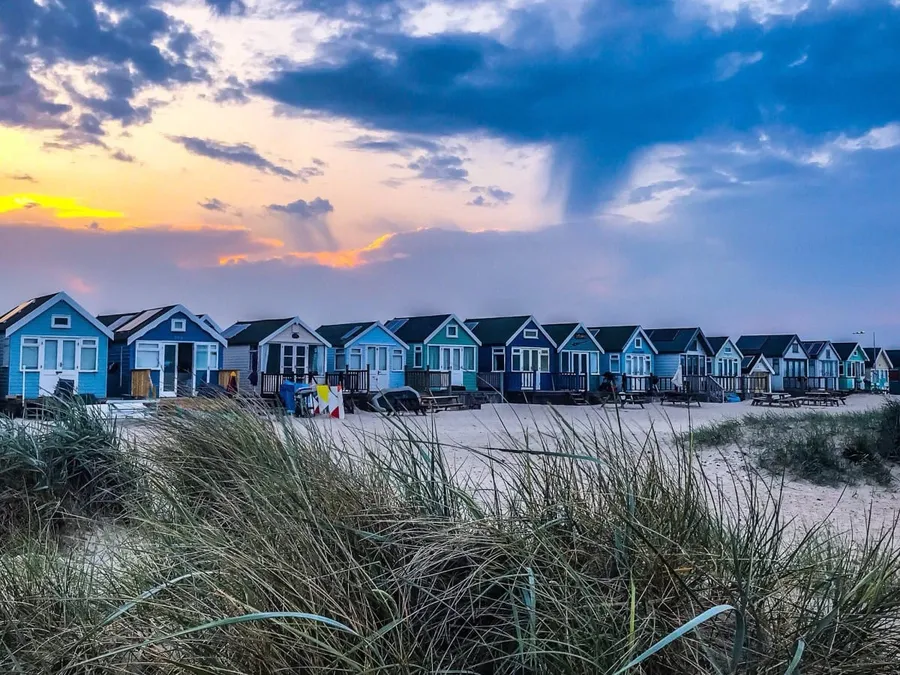
BCP Council has reclassified the beach huts at Mudeford Sandspit and Hengistbury Head as class A second homes with planning restrictions. This decision ends a historical 50 per cent discount on council tax for the properties.
Just over 340 huts are affected. Of these, 231 belong to owners who live outside the Bournemouth, Christchurch and Poole council area. Owners will now meet the full band A council tax rate. Based on recent figures this amounts to approximately £1,503 a year.
The beach huts occupy a striking position on the sandspit that juts into Christchurch Harbour. Rows of colourful wooden buildings line the shore and provide sweeping views across sheltered waters to the headland beyond. Each structure covers roughly 20 square metres and serves as basic shelter.
Owners may stay overnight during permitted periods although the huts generally lack mains electricity and water supplies. Many rely on solar panels or portable facilities while communal amenities support the site. Access comes by ferry from Mudeford Quay or along the spit itself which adds to the feeling of separation from mainland routines.
Market values for these huts frequently reach between £400,000 and £575,000. Some exceptional examples or grouped properties have achieved higher sums. These prices exceed the average residential property value in the wider area which stands around £313,000 according to Office for National Statistics data referenced by the council.
Scarcity underpins much of the demand. Only a fixed number of licensed plots exist in this protected natural setting. The combination of immediate beach access wide harbour vistas and seclusion draws buyers seeking a reliable coastal retreat.
The huts first appeared in numbers during the 1930s. Early examples went to local families such as the Bowyers who saw potential in the remote sandbank. The site developed steadily after the council acquired the land in 1945 to manage erosion. Small seawalls and groynes later helped stabilise the spit. Ownership often passes through generations and creates traditions of family gatherings and quiet time by the sea. Interest grew particularly during periods when people favoured domestic holidays over foreign travel.
Council representatives explain the reclassification promotes consistency in how second homes and holiday accommodation receive tax treatment. Professional valuation confirms the huts meet the criteria: they are furnished available for part-year occupation and not used as main residences.
The extra revenue of around £211,000 each year will support local services. These include beach cleaning and flood protection works that see increased pressure from visitor numbers.
Councillor Mike Cox the cabinet member for finance pointed to ongoing financial challenges for local authorities. He said the council must use available measures to protect essential services for residents. While the area welcomes those who enjoy the coastline the policy recognises that related costs fall mainly on local people. Applying tax rules evenly across comparable properties brings greater fairness.
Some owners have expressed concern about the change. They question whether the second-home label fits structures limited by planning rules and basic amenities. High sale prices do not always match the circumstances of every family that has held a hut for decades. Discussions continue among affected parties about the valuation approach.
This development illustrates how coastal properties in desirable spots evolve from simple shelters into notable assets. For Mudeford the huts keep their character as special places beside the water now with adjusted contributions to the community that maintains them.